Early Detection STD Tests: Which Infections Show Up Within 72 Hours?
If you recently had an unprotected sexual encounter, a broken condom, or an exposure you are worried about, you probably want answers immediately. Searching for 72 hour STI testing is usually driven by panic: you want a clinic, a blood draw, or a rapid swab that will tell you definitively where you stand before the week is out.
Here is the hard medical reality: virtually no sexually transmitted infection can be reliably detected by a test within 72 hours of exposure.
Taking an early detection STD test three days after an encounter will almost certainly return a negative result—not necessarily because you are clear, but because pathogens need time to replicate to detectable levels and the immune system requires weeks to generate antibodies.
However, the 72-hour mark is critical. It is not an expiration date for testing; it is a strict deadline for emergency prevention.
72 Hour STI Testing: Why Early Detection STD Tests Fail Within 3 Days?

Book a Same-day Early Detection lab visit with STDcheck in minutes!
When an infection enters the body, it enters an incubation phase and a diagnostic window period.
- The Incubation Period: The time it takes for organisms to multiply enough to trigger physical symptoms.
- The Window Period: The time it takes for either the pathogen’s genetic material (DNA/RNA) or your body’s immune response (antibodies/antigens) to reach the minimum threshold required for laboratory instruments to register them.
At 72 hours (3 days), viral or bacterial loads are microscopic. If you run a rapid STD screening or send blood and urine to a lab within 72 hours:
- Antibody tests will fail: Your B-cells have not yet manufactured measurable antibodies against pathogens like HIV, syphilis, or herpes.
- Nucleic Acid Amplification Tests (NAAT/PCR) will struggle: While NAATs amplify tiny amounts of bacterial or viral DNA, 72 hours is generally too early for bacteria like Chlamydia trachomatis or Neisseria gonorrhoeae to colonize mucosal tissue sufficiently for consistent capture.
Relying on a negative test taken at day three provides a false sense of security that can lead to delayed treatment and unintentional transmission to other partners.
The Crucial Exception: Why 72 Hours Matters for PEP
Book a Same-day Early Detection lab visit with STDcheck in minutes!
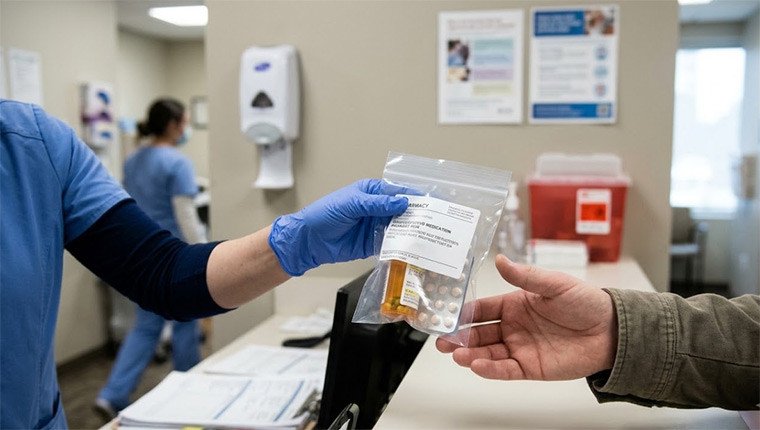
While you cannot test your way out of anxiety at 72 hours, you can take medical action to stop an infection from taking root.
1. HIV Post-Exposure Prophylaxis (PEP)
If you had potential exposure to HIV, 72 hours is the absolute cutoff to start PEP.
- PEP is a 28-day course of antiretroviral medications that prevents HIV from replicating and integrating into your cells.
- It is most effective when taken within 24 hours, but clinical guidelines allow initiation up to 72 hours.
- Once hour 73 arrives, PEP is no longer clinically recommended because the virus has already established reservoirs in lymphoid tissue.
2. Doxy-PEP (Bacterial STI Prevention)
For individuals at higher risk of bacterial STIs, taking a single 200mg dose of doxycycline within 24 to 72 hours after condomless sex (known as Doxy-PEP) significantly reduces the likelihood of contracting syphilis, chlamydia, and, to a lesser extent, gonorrhea.
Emergency Action: If you believe you were exposed to HIV within the last 72 hours, do not wait for a clinic appointment or a testing kit. Go straight to an emergency room, urgent care center, or sexual health clinic and ask for PEP.
When Can Infections Actually Be Detected?
Understanding the diagnostic window tells you exactly when to book your appointments.
| Infection | Earliest Detection Window | Recommended Retest for Definitive Result |
| Gonorrhea | 5 – 7 days | 14 days |
| Chlamydia | 7 – 14 days | 14 – 21 days |
| HIV (RNA / NAT Early Detection) | 10 – 33 days | Confirmatory testing at 45 days |
| HIV (4th Gen Antigen/Antibody Lab Test) | 18 – 45 days | 45 days (lab vein draw) |
| HIV (Rapid Fingerprick/Oral Swab) | 23 – 90 days | 90 days (definitive) |
| Syphilis | 3 – 6 weeks | 90 days |
| Herpes (HSV-1 / HSV-2 Blood IgG) | 4 – 6 weeks | 12 – 16 weeks |
| Trichomoniasis | 1 – 4 weeks | 4 weeks |
| Hepatitis B | 3 – 6 weeks | 9 weeks |
What If You Already Have Symptoms at 72 Hours?
While standard asymptomatic screening will fail at 72 hours, acute symptoms are a different story. In rare instances, certain pathogens cause an aggressive, early clinical response within 2 to 4 days:
- Gonorrhea: Symptoms in men—such as profuse urethral discharge (milky, yellow, or greenish) and severe burning during urination—can manifest as quickly as 48 to 72 hours post-exposure.
- Herpes Simplex Virus (HSV): A primary outbreak can occasionally produce painful, fluid-filled vesicles or ulcerations within 48 to 72 hours.
How testing works with active symptoms: If you have visible lesions or discharge, clinicians do not need to wait for your immune system to make antibodies. They can perform a direct swab of the ulcer or a urethral/cervical swab for PCR analysis. If you have physical symptoms right now, seek immediate in-person evaluation.
Your Step-by-Step Plan Following an Exposure
Book a Same-day Early Detection lab visit with STDcheck in minutes!
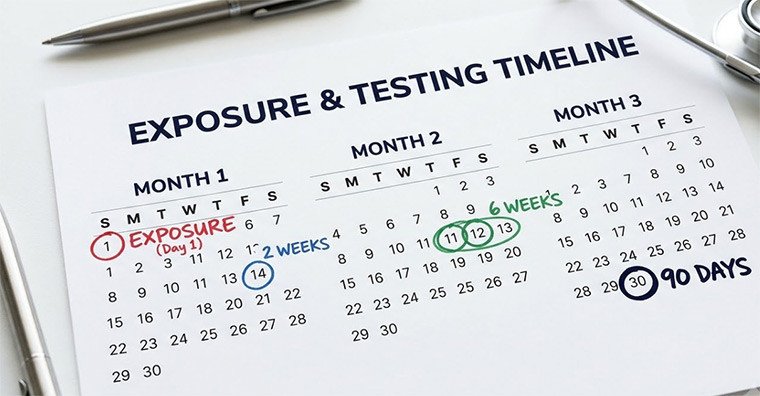
If an encounter occurred within the last 72 hours, follow this timeline to protect yourself and get accurate diagnostic results:
- Assess the HIV Risk Immediately (Hours 0–72): If the encounter involved a partner of unknown or positive HIV status and was condomless, visit an emergency department or urgent care for PEP before your 72-hour window closes.
- Obtain Baseline Testing: If you start PEP, your clinician will run a baseline rapid HIV test to verify your pre-exposure status. This test confirms you were negative prior to the event; it does not check for transmission from the event itself.
- Wait 14 Days for Bacterial Screening: Schedule a urine test or vaginal/rectal/pharyngeal swab for chlamydia, gonorrhea, and trichomoniasis around day 14.
- Test at 4 to 6 Weeks for Blood-Borne Pathogens: Schedule a 4th-generation HIV blood draw (antigen/antibody combo) and a preliminary syphilis panel (RPR/VDRL).
- Complete the Conclusive Check at 90 Days: For full clinical certainty, repeat an HIV test and syphilis serology at the three-month mark.
- Practice Barrier Protection in the Interim: Until your window periods have elapsed and your confirmatory tests return negative, use condoms or refrain from sex to avoid passing an undetected infection to others.


